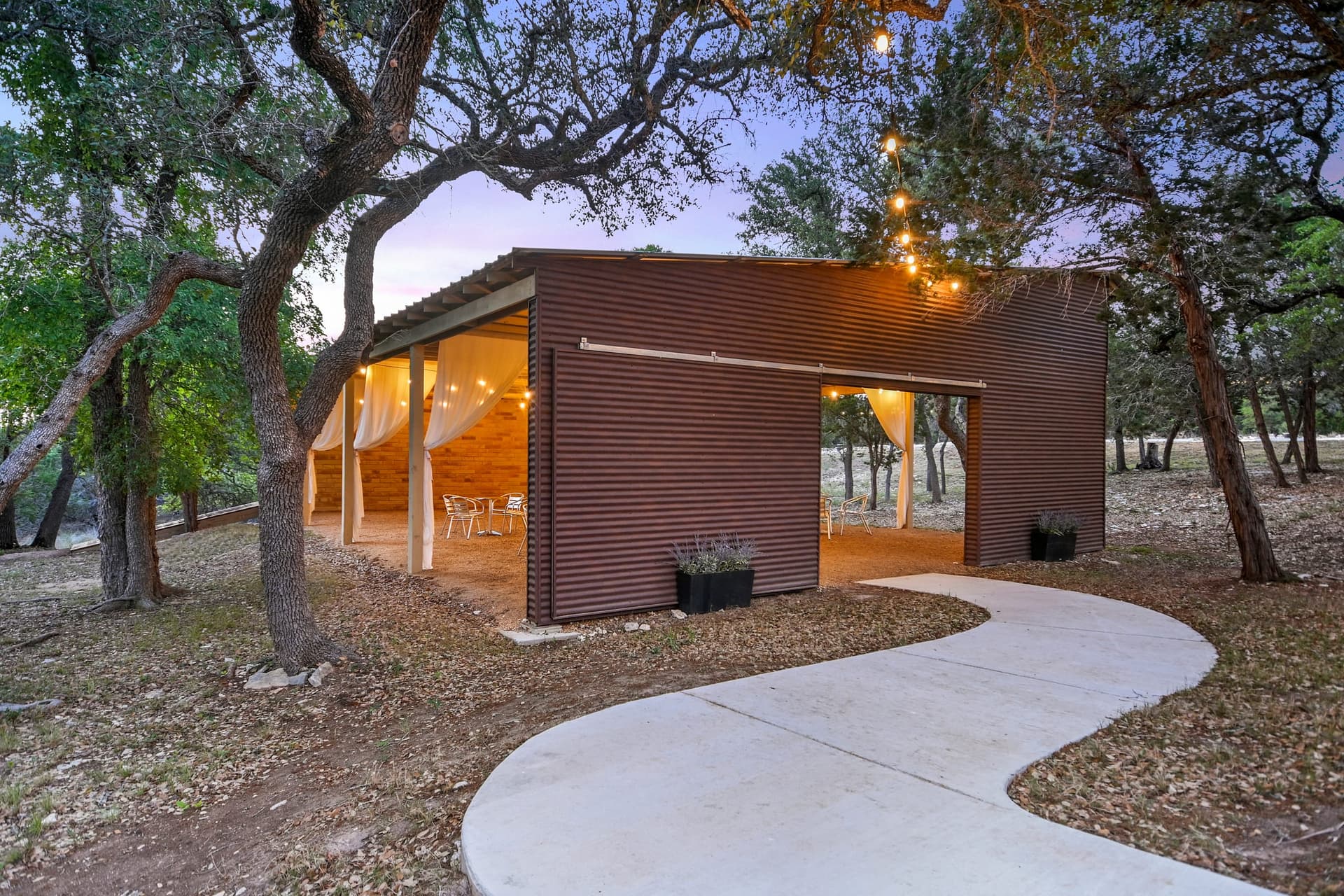
Planning an Outdoor Wedding in the Texas Hill Country? Here Is the Backup Plan You Need
The Texas Hill Country is one of the most beautiful places to get married. The views are expansive, sunset light photographs beautifully, and outdoor ceremonies can feel incredibly cinematic. But if you are planning outside in Central Texas, weather cannot be an afterthought. It has to be part of the venue decision from the beginning.
The National Weather Service climate summary for Austin notes that normal highs reach 90 degrees by May 26 and remain above 90 until September 23. In summer, heat indices can climb above 110 on occasion. June is now the third wettest month of the year on average, and the region’s history of intense thunderstorms and flash flooding is serious enough that Austin is commonly described as part of Flash Flood Alley. In other words, the Hill Country is stunning, but it is not a place to just hope for the best. To understand the seasons better, read our Texas Hill Country Wedding Planning Guide.
What a real weather plan looks like
A real backup plan is not a vague promise that the team will "figure something out." It is a clearly defined ceremony alternative that still feels intentional. This should be one of the top questions you ask when touring a wedding venue. Couples should know exactly where the ceremony would move, how many guests that backup space holds comfortably, whether the indoor option still looks beautiful in photos, and when the final weather call is typically made.
You should also ask what changes operationally if weather turns. Does the timeline shift? Can cocktail hour still happen as planned? Who moves chairs and decor? How are vendors informed? What happens if the forecast shows heat risk instead of rain? A polished venue should be able to answer every one of these questions without hesitation.
How to plan for heat, not just rain
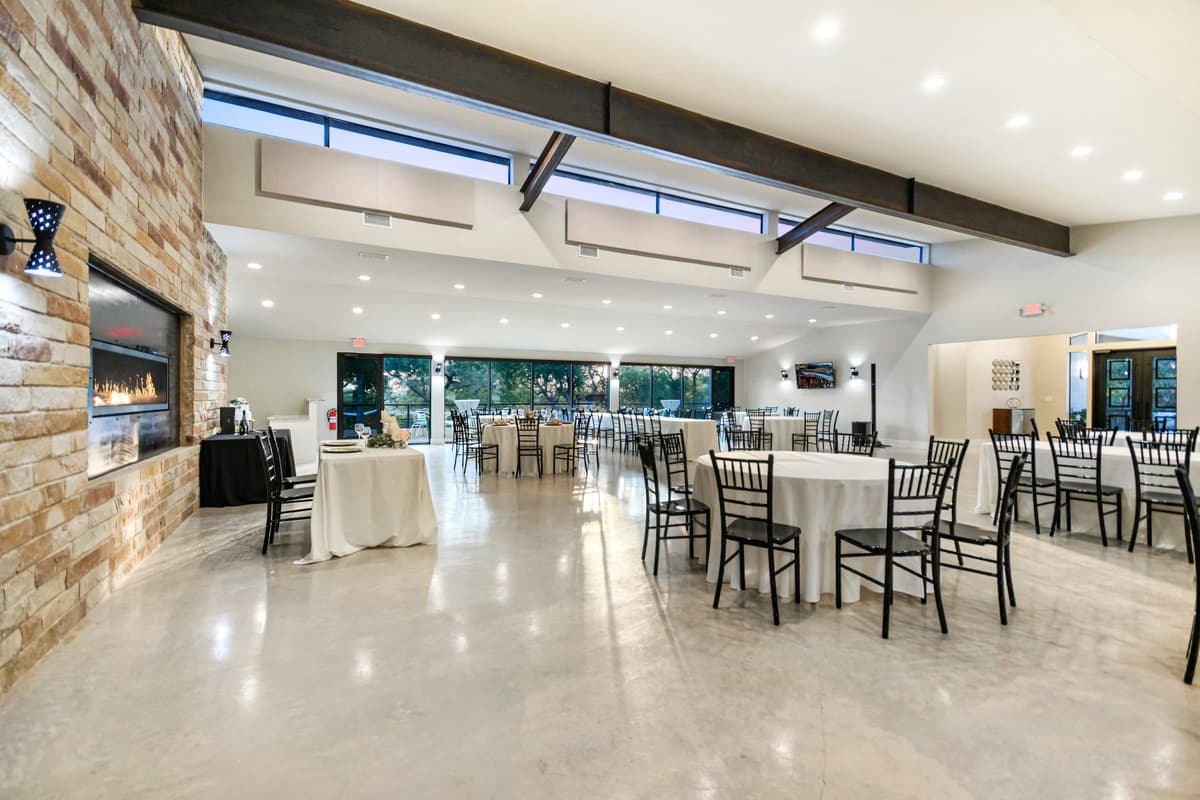
Texas couples often think first about a rain plan, but heat is just as important. If you are planning a late spring or summer wedding, ask where guests will wait before the ceremony, whether there is shade, whether cold water can be passed before seating, and whether elderly family members have easy access to climate-controlled space. Consider ceremony start time carefully. Thirty minutes can make a significant difference in direct sun and photography quality.
The backup plan should also account for the wedding party. Hair, makeup, florals, candles, and even sound equipment behave differently in heat and wind. Covered areas, indoor-ready staging, and thoughtful transitions matter more than couples often realize during the early planning stage.
What to look for when touring venues
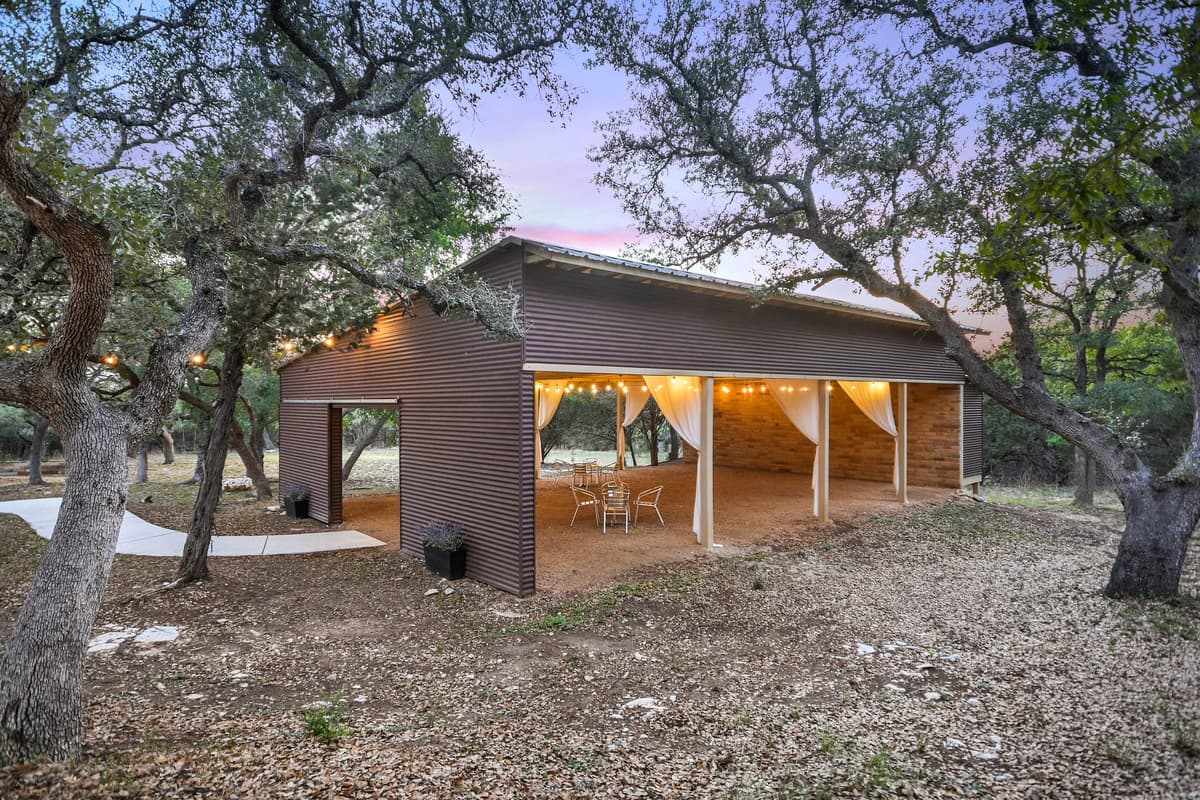
When you visit a venue, do not only ask to see the outdoor ceremony site on its best day. Ask to see the backup option. Stand in it. Picture your guest count in it. Ask the venue to walk you through a real weather pivot from the past. If the alternative space feels like an afterthought, it probably is.
The strongest venues are the ones where Plan B still feels like the wedding you wanted. That is the goal. Not merely avoiding disaster, but protecting the experience.
Why this matters financially too
Weather planning is not just about comfort. It protects your budget. The average U.S. wedding cost in 2025 was $34,000, and couples spent an average of $292 per guest. Once that many moving parts are in motion, preventable disruption gets expensive fast. A venue with a true built-in backup can save you from last-minute tenting, timeline chaos, vendor overtime, or guest discomfort that changes the mood of the day.
Final thought
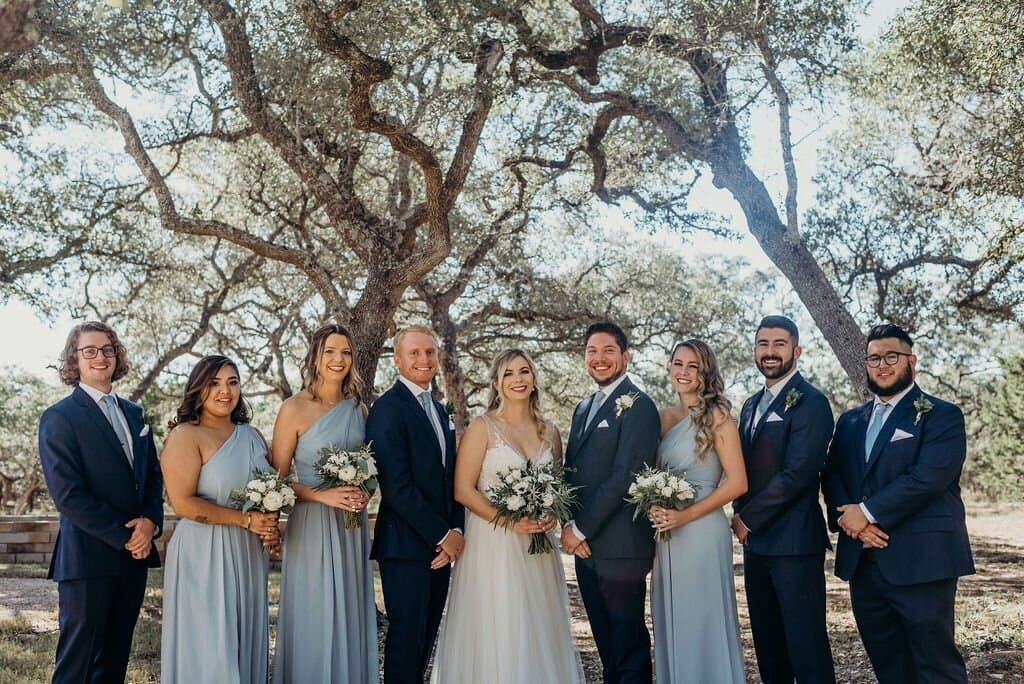
If you love the idea of an outdoor Hill Country wedding, you do not need to be afraid of the weather. You just need to choose a venue that has already respected it. The right venue lets you plan for sunlight, prepare for surprises, and still feel excited when you check the forecast.
Rain or shine, your day will be beautiful. See our covered pavilion and indoor ceremony options at Prima Vista. For a closer look at how our covered pavilion holds up in real Hill Country weather, read Why Every Hill Country Wedding Needs a Covered Ceremony Space.