Planning a Texas Hill Country Wedding: Seasons, Venues, and What to Know Before You Book
The Texas Hill Country draws couples from across the country for good reason. Rolling limestone ridges, ancient live oaks, native wildflowers, and one of the most cinematic golden hours in the South combine to make this one of the most photographed wedding landscapes in Texas. But planning well here requires more than loving the views. It requires understanding the land, the seasons, and what to actually look for in a venue before you sign.
This guide covers what you need to know before you tour, before you book, and before you build a timeline.
Why the Hill Country Works So Well for Weddings
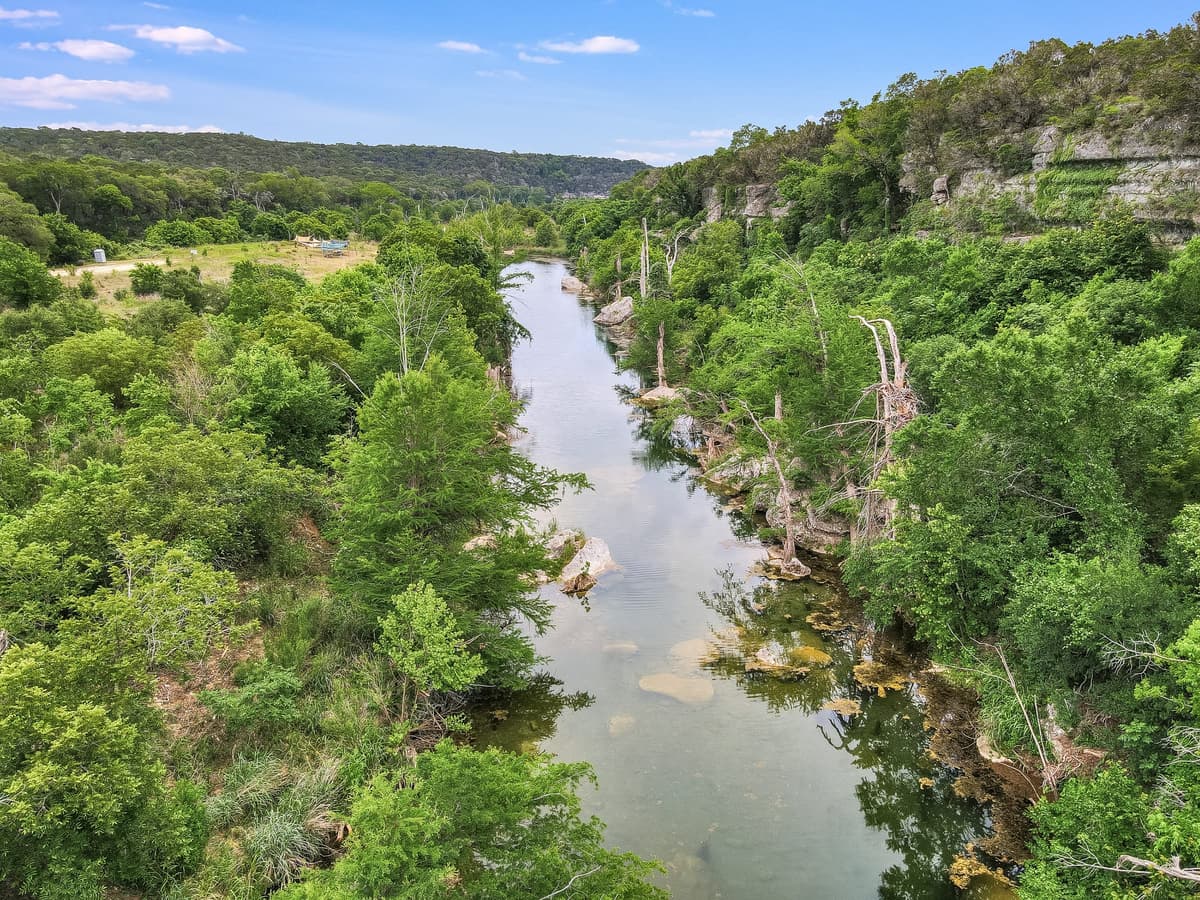
Most Hill Country weddings succeed because the environment does significant decorating work for you. A ceremony set against an oak grove, a cocktail hour overlooking a limestone ridge at sunset, or a reception hall framed by open hill-country sky can feel elevated with minimal added design. That translates to real budget flexibility. Money that would otherwise go toward floral walls and lighting installations can go toward the experience instead.
The region also benefits from proximity to Austin, San Antonio, and a growing network of boutique lodging in towns like Wimberley, Fredericksburg, and Boerne. Guests can arrive the evening before, stay nearby, and make a full weekend of it without the complexity of a true destination wedding. That accessibility is part of what makes the Hill Country particularly well suited for couples who want a destination feel without destination logistics.
Choosing the Right Season

Spring (March–May) is the most popular window. Bluebonnets and Indian paintbrush peak in April, temperatures are mild, and the landscape is vivid green from winter rains. If you are planning a spring date, expect to book 12 to 18 months in advance. The best venues fill early, and the best photographers even earlier.
Fall (October–November) is the second peak season and arguably the most flexible. Temperatures cool significantly after September, humidity drops, and the light turns warm and golden. Many photographers prefer fall light for portraits. Crowds are lighter than spring, and venues often have better availability through October and into early November.
Summer (June–September) requires honest planning. The National Weather Service records average highs above 90 degrees from late May through late September, with heat indices occasionally climbing past 110. Summer Hill Country weddings are absolutely doable, but they require shade, hydration stations, a covered or indoor ceremony option, and a timeline that keeps guests out of direct sun during the hottest part of the day. Shift your ceremony start to late afternoon whenever possible.
Winter (December–February) offers mild weather by most standards, fewer crowds, and genuine budget flexibility. The landscape loses some color, but Hill Country interiors and architecture often show beautifully in winter light. For couples who want a moody, intimate feel, December and January are underrated.
What to Look For in a Hill Country Venue
Indoor-outdoor flow. The best Hill Country venues feel seamless as the day moves through spaces. Ceremony outside, cocktail hour on a deck or covered terrace, reception inside with views still visible. That kind of flow turns a beautiful property into a beautiful day. When you tour, trace the guest journey from arrival through ceremony to reception and think about whether the transitions feel natural or effortful.
A real weather backup. This is not optional in Central Texas. Ask every venue you tour where exactly the ceremony moves if it rains or if heat becomes dangerous. For a deep dive on how to protect your day, see our guide on Planning a Hill Country Weather Backup.
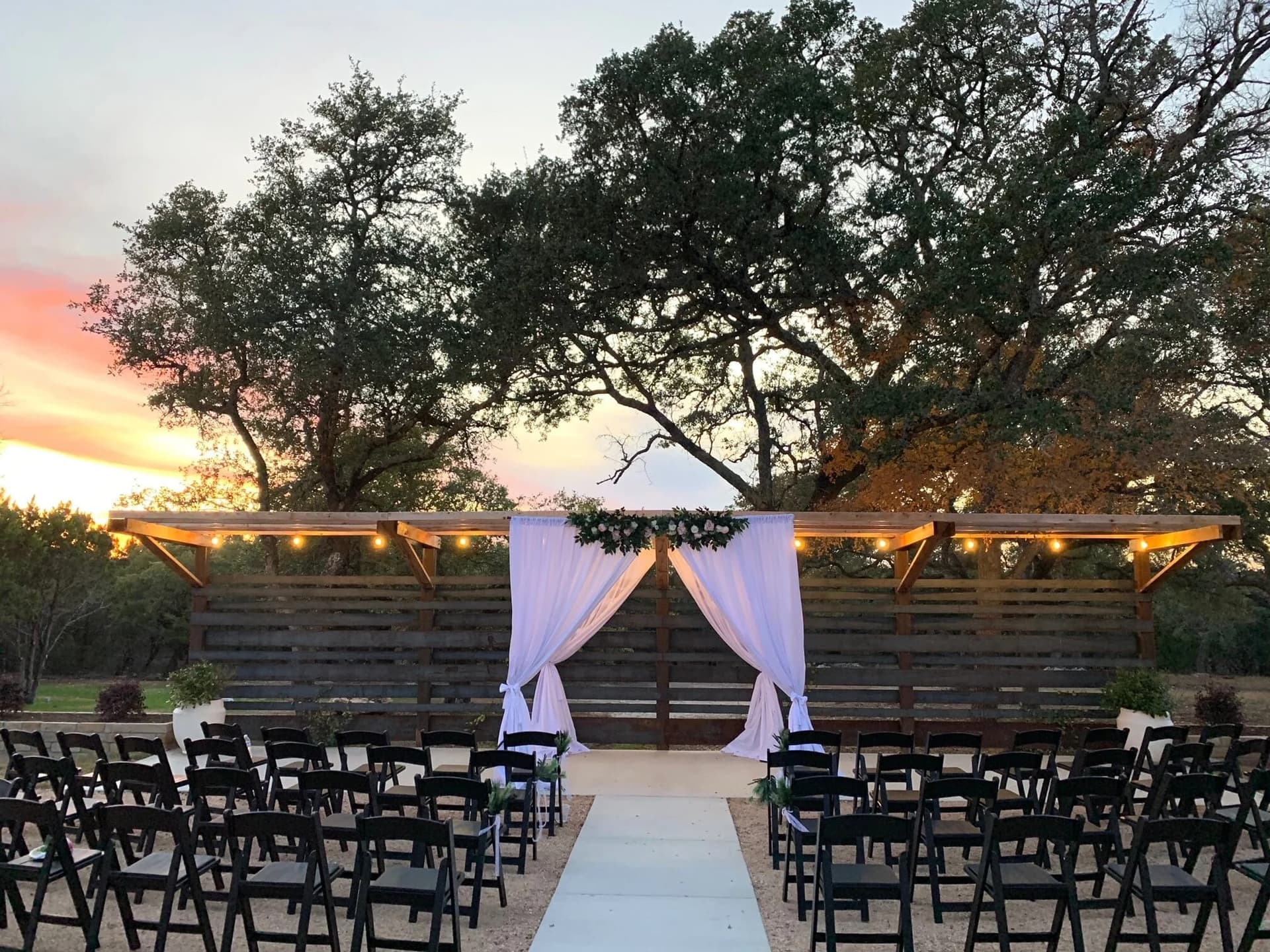
Natural scenery as a design asset. If the ceremony backdrop is a floral arbor framed by old-growth oaks and open sky, your photographer and florist will have an easier job and your photos will be stronger. Venues with authentic natural scenery often allow couples to spend less on decorative elements and more on the things guests actually remember: the food, the music, the time together.

Getting-ready spaces. A private bridal suite and a separate space for the wedding party set the emotional tone for the entire day. Look for good natural light, adequate mirror space, seating for the full party, and a layout that feels calm rather than cramped during the hours before the ceremony.
Prima Vista · Wimberley, TX
See how your date, guest count, and package choices shape your estimate.
Estimate My EventVendor flexibility. Some Hill Country venues operate with exclusive preferred vendor lists. Others are fully open. Know which model a venue uses before investing time in a tour, because this decision affects catering quality, menu options, and coordination complexity in ways that are not always obvious upfront.
Building a Timeline Around the Light
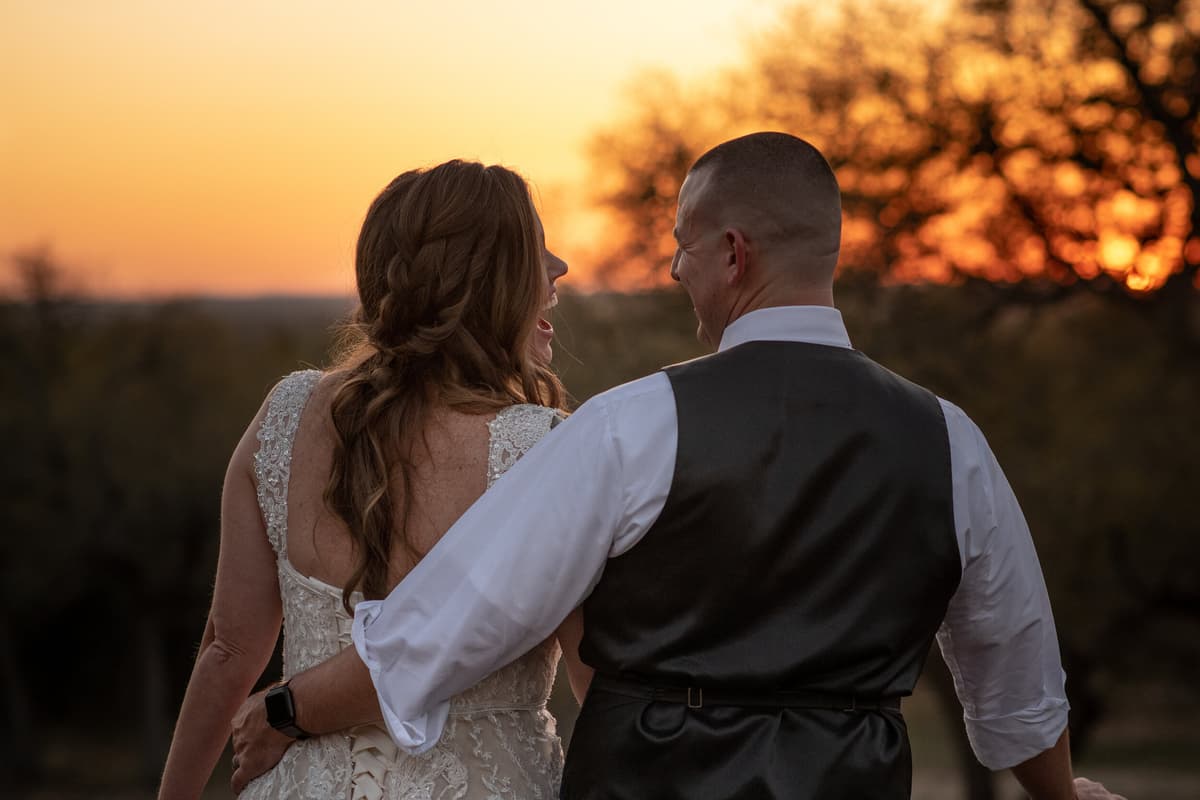
If you are planning an outdoor ceremony, build your schedule around the light rather than the clock. Golden hour (the 30 to 60 minutes before sunset) produces soft, directional light that most photographers consider the best of the day. Schedule your ceremony to end approximately 60 to 90 minutes before sunset, leaving enough time for couple portraits in that window before full dark.
In summer, this might mean starting a ceremony at 6:30 PM. In fall, 5:00 PM is often ideal. Work backward from the light and forward from cocktail hour logistics. Guests who are standing in direct Texas sun at 4:00 PM will be in a different emotional state than guests who arrive as the light turns golden.
What Couples Often Underestimate
Rural roads and GPS. Navigation apps frequently route guests incorrectly on Hill Country back roads. Include turn-by-turn directions and a custom map on your wedding website. Communicate parking logistics clearly in advance and repeat them in your day-of communications. A guest who gets lost or cannot find parking arrives in a worse mood than one who found everything easy.
Heat for elderly guests specifically. Young guests in their twenties handle Texas heat differently than grandparents in their seventies and eighties. Think concretely about where older guests will wait before the ceremony, whether there is shade between the parking area and the venue entrance, and whether climate-controlled space is easily accessible if someone needs a break.
The full cost of adding what a venue does not include. A venue with a lower base rental rate can still cost significantly more once you add tables, chairs, linens, setup, breakdown, tenting, staffing, and the design elements needed to make the space feel finished. Before comparing venues on price, ask each one for a complete inclusions list. The gap between rental fee and actual event cost is where most budget surprises live.
Why Wimberley Has Become the Hill Country's Leading Wedding Town
Among Hill Country towns, Wimberley has emerged as a particularly strong destination for weddings. The town sits along Cypress Creek and the Blanco River, surrounded by cypress trees and cedar-covered hills, with a mature infrastructure of boutique hotels, vacation rentals, and short-term properties that makes multi-day celebrations genuinely practical. For a comparison of what the area offers, browse our list of the Best Wedding Venues in Wimberley, TX.
Wimberley's proximity to Austin (roughly 45 minutes south) keeps it accessible without sacrificing the sense of arrival that makes a destination feel worth the drive. For couples who want their guests to feel like they have genuinely gone somewhere, Wimberley delivers that feeling in a way that closer-in suburbs cannot replicate.
The concentration of lodging also means guests can walk or drive short distances between the venue and their accommodations, reducing transportation complexity and making it easier for everyone to stay present in the celebration rather than managing logistics.
The Checklist Before You Book
Before committing to any Hill Country venue, make sure you can answer these questions clearly:
- What is included in the rental fee, and what costs extra?
- Where does the ceremony move if weather changes, and what does that space look like?
- How many hours of venue access are included for vendors and setup?
- Are there restrictions on outside caterers, alcohol service, or amplified music?
- What is the parking capacity and how far is it from the ceremony space?
- Does the venue have a dedicated coordinator or point of contact for day-of logistics?
- What is the cancellation and rescheduling policy?
The venues that answer these questions confidently and thoroughly are almost always the ones that run the smoothest events.
Final Thought
The Hill Country rewards couples who plan with the landscape in mind. When you choose a season that works with the light, a venue that has genuinely thought through the weather, and a timeline that creates space for the views to show up in your photos, the region does much of the heavy lifting. The most beautiful Hill Country weddings look effortless. That feeling is almost always the result of good planning done early.
Ready to see what the Hill Country looks like in person? Book a private tour at Prima Vista in Wimberley, TX and experience the venue before you book your date.